The Oklahoma House approved two property tax reform measures ahead of a key legislative deadline, sending both proposals to the Senate and ultimately to a vote of the people if fully enacted.
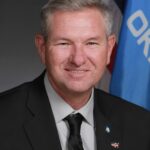 One measure, House Joint Resolution 1046 by Oklahoma Representative David Smith, would allow voters to decide whether to freeze property taxes for homeowners whose primary residence is destroyed by a natural disaster. The proposal would apply to homes rendered uninhabitable for at least six consecutive months due to events such as fire, tornado or earthquake.
“If a person’s home is destroyed, they should not have to continue to pay property taxes until they can live in it again,” Smith said.
Under the resolution, the timing of the damage would determine when the exemption applies. If destruction occurs on or before June 1, the full exemption would apply during that tax year. If it happens after June 1, the exemption would apply in the following tax year.
The second measure, House Joint Resolution 1081 by Oklahoma Representative Robert Manger, would expand access to the state’s property tax freeze program for seniors by removing existing income limits.
 “This is about recognizing that many seniors are living on fixed incomes, even if they do not fall under an arbitrary income cap,” Manger said.
Current law allows homeowners age 65 and older to freeze the taxable value of their homestead only if they meet certain income requirements. The proposal would eliminate that threshold, allowing eligibility to be based primarily on age and residency.
To qualify, homeowners would still need to be at least 65 years old, have lived in the home for at least seven years and have a property value of $700,000 or less.
Manger said the proposal is intended to help seniors remain in their homes as property values rise.
“When property values go up, it may look good on paper, but it can create real pressure for seniors trying to stay in their homes,” Manger said.
Both measures would require approval by the Oklahoma Senate before being placed on a statewide ballot.