Oklahoma Representatives Daniel Pae, Emily Gise and Cynthia Roe brought together state officials and food assistance providers for a combined interim study examining SNAP payment errors, nutrition programs and home-delivered meals.
Oklahoma’s most recently federally certified Supplemental Nutrition Assistance Program payment error rate was 11.04%. Department of Human Services Director Jeffrey Cartmell said the agency anticipated a lower rate between 6.5% and 8.5%, but those figures remained subject to additional reviews.
Cartmell said DHS prevented more than $5 million in erroneous benefit payments after tripling training time for new employees, adding quality-control checkpoints and reviewing more than 75,000 cases over the past year.
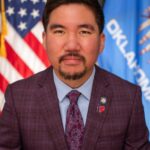 “Food assistance is about more than putting food on the table,” Pae said. “We need to understand whether these programs are working as intended, whether taxpayer dollars are being used responsibly and whether Oklahomans are getting the resources they need to build healthier, more independent lives.”
Cartmell said program performance should also be measured by whether families become more stable and move toward greater independence.
The study included testimony on school nutrition and services that help older adults and people with disabilities remain in their homes.
 “Home-delivered meals are just one example of how a targeted service can address multiple problems at a time,” Gise said. “For some Oklahomans, access to nutritious meals can help them manage health conditions, remain independent and avoid costly institutional care.”
Lawmakers also heard about Farmers Against Hunger, a proposed $2 million pilot program developed with the Oklahoma Farm Bureau and Oklahoma Pork Council. If funded, organizers estimate it could provide 3 million pounds of locally raised meat to families in need.
Other presentations covered food bank services and Double Up Oklahoma, which helps SNAP participants purchase fresh fruits and vegetables.
 “This study demonstrated that addressing food insecurity requires more than one program or one organization,” Roe said. “By bringing together people working on different parts of that challenge, we can better understand what is working, where the gaps are and what improvements may be worth considering in the next legislative session.”