A new Oklahoma law making it a felony to illegally traffic abortion-inducing drugs is now in effect.
House Bill 1168, authored by Oklahoma Representative Denise Crosswhite Hader, creates a felony offense for knowingly possessing or delivering abortion-inducing drugs to someone who intends to use them for an unlawful abortion. The law specifically includes drugs such as mifepristone, misoprostol and methotrexate.
 “Today, Oklahoma’s anti-chemical abortion pill trafficking act officially takes effect, and I couldn’t be prouder,” Crosswhite Hader said. “Four years ago, I set out to close the loophole that let traffickers ship dangerous chemical abortion pills into our state with no oversight and no accountability.”
Crosswhite Hader said the law is intended to protect women who may be coerced or deceived into taking abortion-inducing drugs without medical care or support. She said supporters estimate the law could prevent about 4,000 abortions annually in Oklahoma.
Oklahoma Senator David Bullard is the Senate author of the measure.
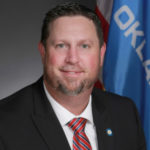 “Four years of work led to this day,” Bullard said. “Oklahoma’s anti-chemical abortion pill trafficking act is now the law of the land, and traffickers who ship these deadly pills into our state can finally be held criminally accountable.”
Anyone convicted of trafficking or attempting to traffic abortion-inducing drugs could face a fine of up to $100,000, up to 10 years in prison, or both.
The law applies to people who intend to illegally distribute the drugs to others and does not apply to individuals obtaining the drugs for themselves.
HB 1168 also does not prohibit contraceptives or affect in vitro fertilization. Drugs prescribed for other medical purposes, including treatment of ectopic pregnancies or miscarriages, are excluded from the definition of abortion-inducing drugs under the law.
Pharmacists, drug manufacturers and distributors who legally possess, sell or distribute medications for lawful medical purposes are also exempt.
The measure passed the House in 2025 and the Senate this year. Gov. Kevin Stitt signed it into law May 5.