A new Legislative Office of Fiscal Transparency report finds Oklahoma’s Child Care Subsidy Program is unlikely to experience the type of large-scale coordinated fraud uncovered in Minnesota, but says the Oklahoma Department of Human Services could strengthen safeguards against fraud and improper payments.
The program helps low-income families afford child care while parents work, attend school or participate in job training. In fiscal year 2025, Oklahoma received $204.1 million in federal funding for the program and contributed $24.7 million in state funds.
LOFT launched its review after fraud allegations involving child care assistance and other federal programs in Minnesota drew national attention. The report found structural differences make similar large-scale fraud less likely in Oklahoma.
Unlike Minnesota’s decentralized system, Oklahoma DHS controls eligibility determinations, provider licensing and subsidy payments.
Oklahoma also requires subsidy providers to be licensed or permitted and meet minimum quality standards. DHS reported 2,016 contracted child care facilities received subsidy payments during fiscal year 2025.
However, LOFT identified several areas of concern. Those include weaknesses in verifying child attendance, incomplete verification of family eligibility and problems involving required copayments from families.
The report notes the current phone-based attendance system allows parents to check children in remotely, creating an opportunity for inaccurate or manipulated attendance records.
LOFT also raised concerns about how DHS responds when suspected fraud is discovered. The report found the agency often handles cases administratively by seeking repayment rather than referring them for criminal prosecution.
A review of DHS investigations found $551,249 in child care subsidy overpayments during a 12-month period. LOFT said all but one involved parents intentionally providing inaccurate information. Nine cases involving about $154,000 in child care subsidy fraud were criminally prosecuted. When overpayments from other benefit programs involving those same cases were included, the total was $270,767.
LOFT recommended DHS provide additional fraud detection training, strengthen verification procedures and increase investigative resources. The report also suggests lawmakers consider requiring DHS to refer cases meeting the statutory definition of fraud to prosecutors.
 Oklahoma Senator Chuck Hall, co-chair of the LOFT Oversight Committee, said the state must balance protecting taxpayer dollars with supporting child care providers and working families.
“The Legislature has a duty to protect taxpayer dollars, and this LOFT report shows how we can better prevent waste, fraud and abuse within our childcare system,” Hall said. “There may be a few bad actors within the industry, but the vast majority of Oklahoma daycares offer top-notch childcare that gives working parents peace of mind when they’re back at work.”
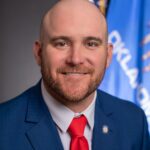 Oklahoma Representative Trey Caldwell, the committee’s other co-chair, said stronger safeguards are needed to ensure money reaches families who qualify for assistance.
“My concern is that when fraud occurs, the people ultimately being hurt are the very families this program was created to serve,” Caldwell said. “We have to bird-dog this process and make sure every dollar is being adequately spent.”